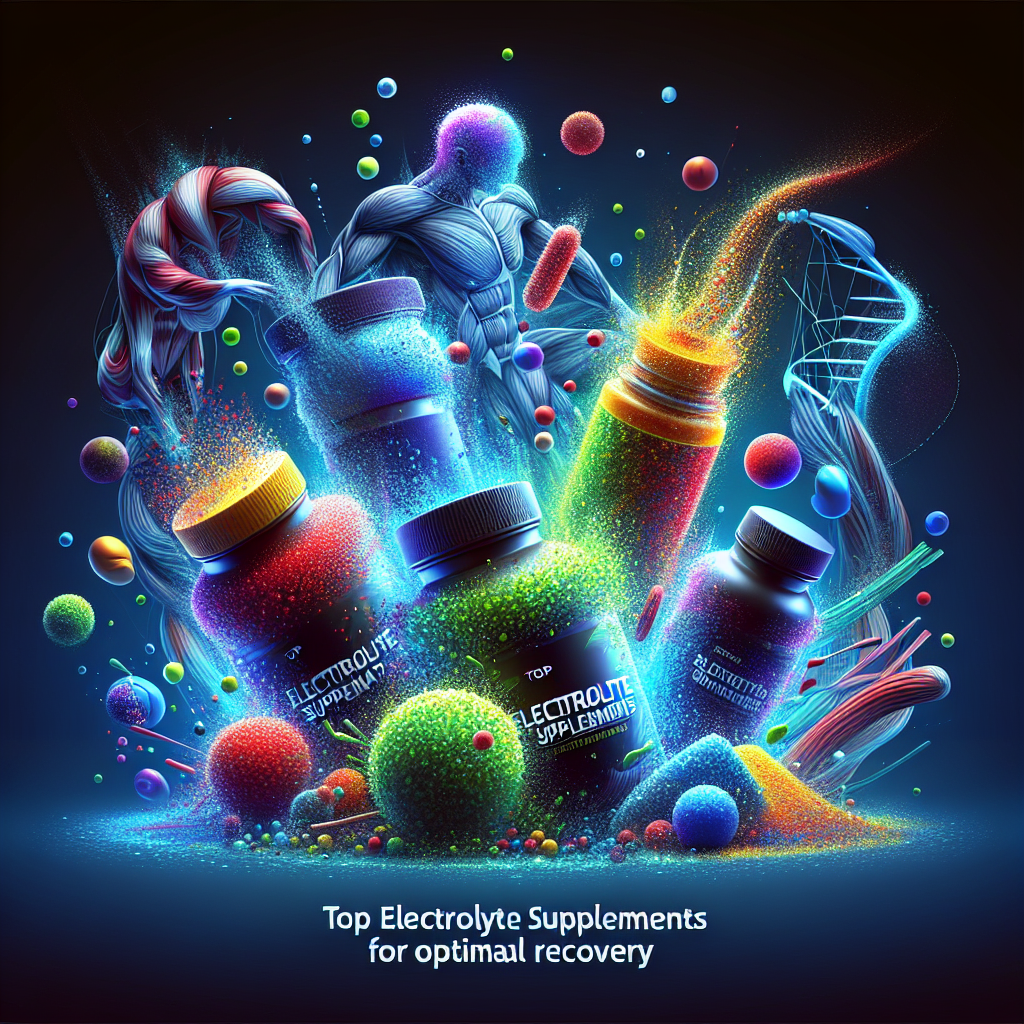

Introduction: The Significance of Electrolyte Supplements for Optimal Recovery
After a grueling workout or an intense training session, your body craves more than just rest and relaxation. It demands essential nutrients to recover efficiently. This is where electrolyte supplements come into play. For the fitness enthusiasts, athletes, and health-conscious individuals of Central Europe, understanding the key benefits of electrolyte supplements for recovery is crucial. Whether it's for men's health, women's health, or children's health, the right balance of electrolytes can make a world of difference. Curious about how you can optimize your recovery game? Read on!
Understanding Electrolytes: The Basics
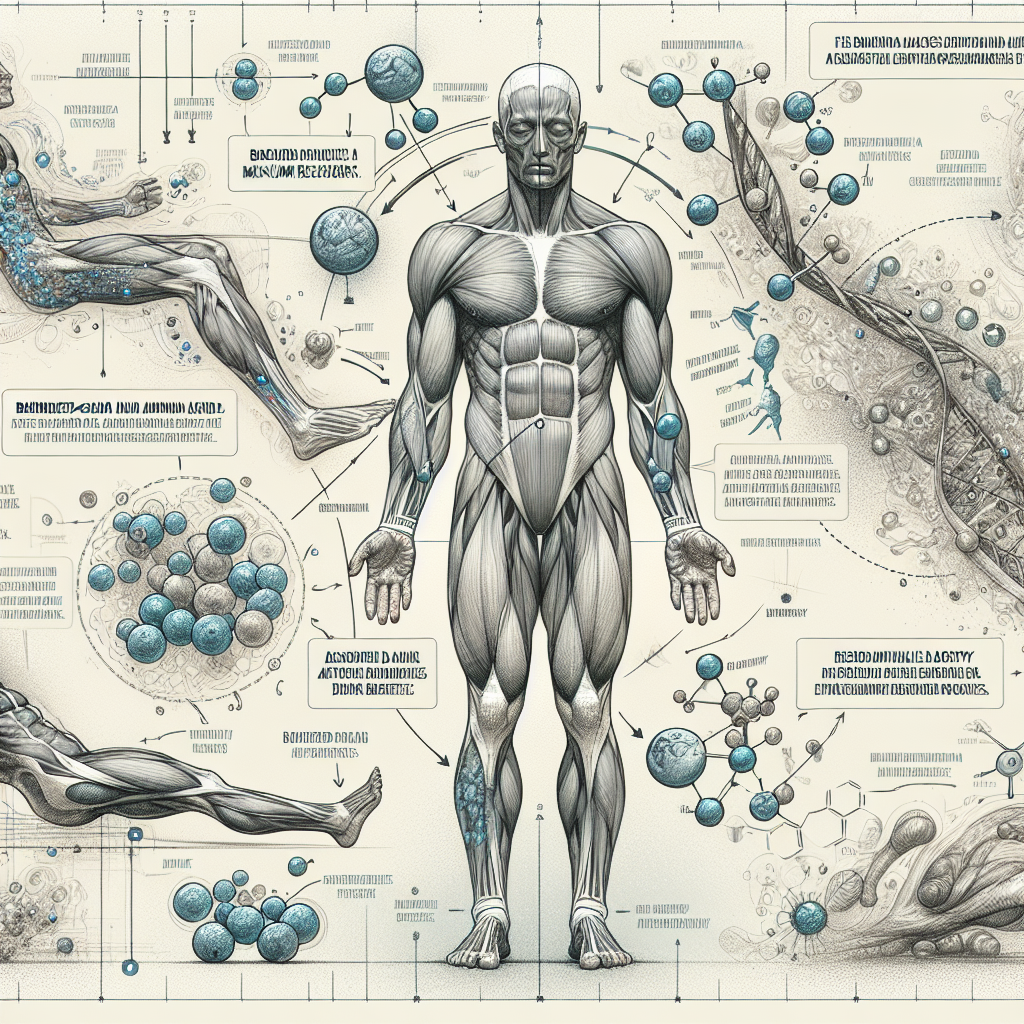
Electrolytes are minerals that carry an electric charge and are pivotal in various bodily functions, including muscle contractions, hydration, and acid-base balance. The most common electrolytes include sodium, potassium, calcium, and magnesium. When you sweat during exercise, you lose these essential minerals, resulting in potential fatigue, muscle cramps, and a slower recovery process.
Why are we so obsessed with electrolytes? Think of them as the electric juice that keeps our body’s battery charged and ready to go. In an article published in the Journal of Sports Sciences, researchers found that maintaining adequate electrolyte levels can significantly enhance performance and accelerate recovery (Journal of Sports Sciences, 2020).
Key Ingredients and Their Benefits
Sodium
Sodium is essential for maintaining fluid balance and preventing dehydration. It's particularly vital after extensive sweating sessions. Studies suggest that ingesting sodium post-exercise can enhance hydration and speed up recovery.
Potassium
Potassium works hand-in-hand with sodium to balance fluids and support nerve function. Low potassium levels can lead to muscle cramps and weakness. Research published in the Medicine & Science in Sports & Exercise journal indicates that potassium supplementation can reduce muscle soreness and cramping (Medicine & Science in Sports & Exercise, 2019).
Calcium
Most people associate calcium with bone health, but it also plays a critical role in muscle function. Calcium facilitates muscle contraction and relaxation. Without adequate calcium, you might experience prolonged muscle soreness and spasms.
Magnesium
Magnesium is the jack-of-all-trades in the electrolyte world. It’s involved in over 300 biochemical reactions in the body, including protein synthesis, muscle and nerve function, and blood glucose control. A study in the American Journal of Clinical Nutrition found that magnesium supplementation can shorten recovery time and reduce muscle fatigue (American Journal of Clinical Nutrition, 2021).
Usage Tips for Electrolyte Supplements
Navigating through the world of electrolyte supplements can be tricky, but we’re here to help. Here are some practical tips:
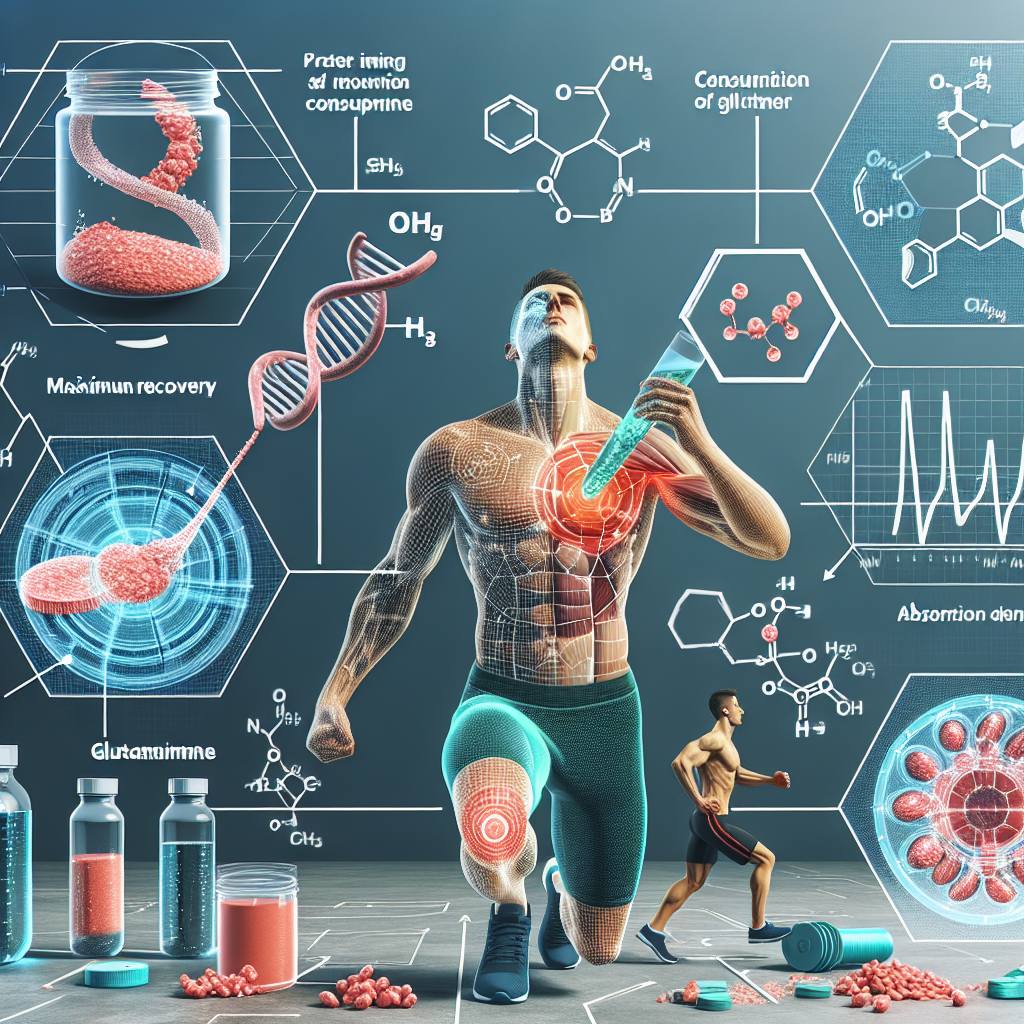
- Post-Workout: Ideally, take your electrolyte supplement within 30 minutes after exercising to replenish lost minerals effectively.
- Dosage: Follow the guidelines on your supplement packaging. Generally, men may require higher doses due to larger muscle mass and higher sweat rates.
- Hydration: Always consume your electrolytes with water to help with absorption.
- Balanced Diet: Pair your supplements with a balanced diet rich in fruits and vegetables to get a natural boost of electrolytes.
Advantages and Side Effects of Electrolyte Supplements
Advantages
Electrolyte supplements offer a range of powerful benefits:
- Improve Hydration: They help replenish fluids lost through sweat.
- Enhance Recovery: Speed up the muscle recovery process post-exercise.
- Prevent Cramps: Reduce the likelihood of muscle cramps and spasms.
- Boost Performance: Maintain optimal performance levels during extended workouts.
Side Effects and Precautions
While electrolyte supplements are generally safe, there can be some side effects if not used appropriately:
- Overconsumption: Excessive intake of electrolytes, particularly sodium, can lead to hypernatremia (high sodium levels) and high blood pressure.
- Kidney Issues: People with kidney conditions should consult a healthcare provider before taking electrolyte supplements.
- Digestive Issues: Some may experience minor digestive discomfort like bloating or diarrhea.
Electrolytes vs. Other Recovery Supplements
When compared to other recovery supplements like protein powders or BCAAs, electrolytes offer a unique set of advantages. Unlike protein powders, which mainly aid in muscle repair and growth, electrolytes primarily focus on fluid balance and neural function. Here’s why electrolytes can sometimes outperform other recovery aids:
- Broad Spectrum Benefits: They not only aid in muscle recovery but also enhance hydration and cognitive function.
- Immediate Energy: Electrolytes can provide quick energy recovery during and after workouts.
- Comprehensive Health: They support overall bodily functions, making them a holistic recovery supplement.
Personal Experiences and Reviews
People swear by electrolytes, and for a good reason. For instance, Emma, a marathon runner from Berlin, shared that her performance improved significantly after she began using electrolyte supplements. "I used to get terrible cramps during long runs. Ever since I started taking electrolytes, I've noticed a marked reduction in muscle soreness and fatigue," she notes.
John, a fitness coach in Prague, echoes similar sentiments. "Electrolytes are a game-changer. My clients recover faster and feel less drained post-training sessions," he says.
Frequently Asked Questions (FAQ)
Do children need electrolyte supplements?
While they aren't always necessary, children participating in vigorous sports may benefit from electrolytes to prevent dehydration and maintain energy.
Can you get enough electrolytes from food?
Yes, a balanced diet can provide adequate electrolytes. Foods like bananas, avocados, and leafy greens are great sources. Supplements are beneficial for those who have higher needs due to intense physical activity.
Are there natural alternatives to commercial electrolyte supplements?
Absolutely! Coconut water and homemade electrolyte drinks (e.g., water mixed with a pinch of salt and a squeeze of lemon) are excellent natural alternatives.
Conclusion: Recharge Your Recovery with Electrolytes
As you now know, electrolyte supplements are pivotal for those committed to fitness and wellness. From enhancing performance to speeding up recovery, they cover all the bases. Just remember to follow dosage guidelines and consult with a healthcare provider if you have any underlying health conditions.
Feeling inspired to supercharge your recovery routine? Keep exploring our articles on HealthyHerbology.com for more tips and tricks to keep you at your peak performance!
Want to dive deeper into the world of supplements and wellness? Check out our related articles: