
Introduction: Understanding the Importance of Electrolytes in Muscle Health
Imagine this: you’re in the middle of a workout, everything’s going great, and then, ouch! A sudden muscle cramp ruins your groove. If you’ve ever experienced this, you're not alone. Muscle cramps can be a nemesis for many fitness enthusiasts and everyday gym-goers alike. The culprit? Often, it's a lack of electrolytes. This article explores the vital role of electrolytes in preventing muscle cramps, relevant to men, women, and even children in central Europe pursuing a healthy lifestyle.
Electrolytes 101: The Basics Behind Muscle Function
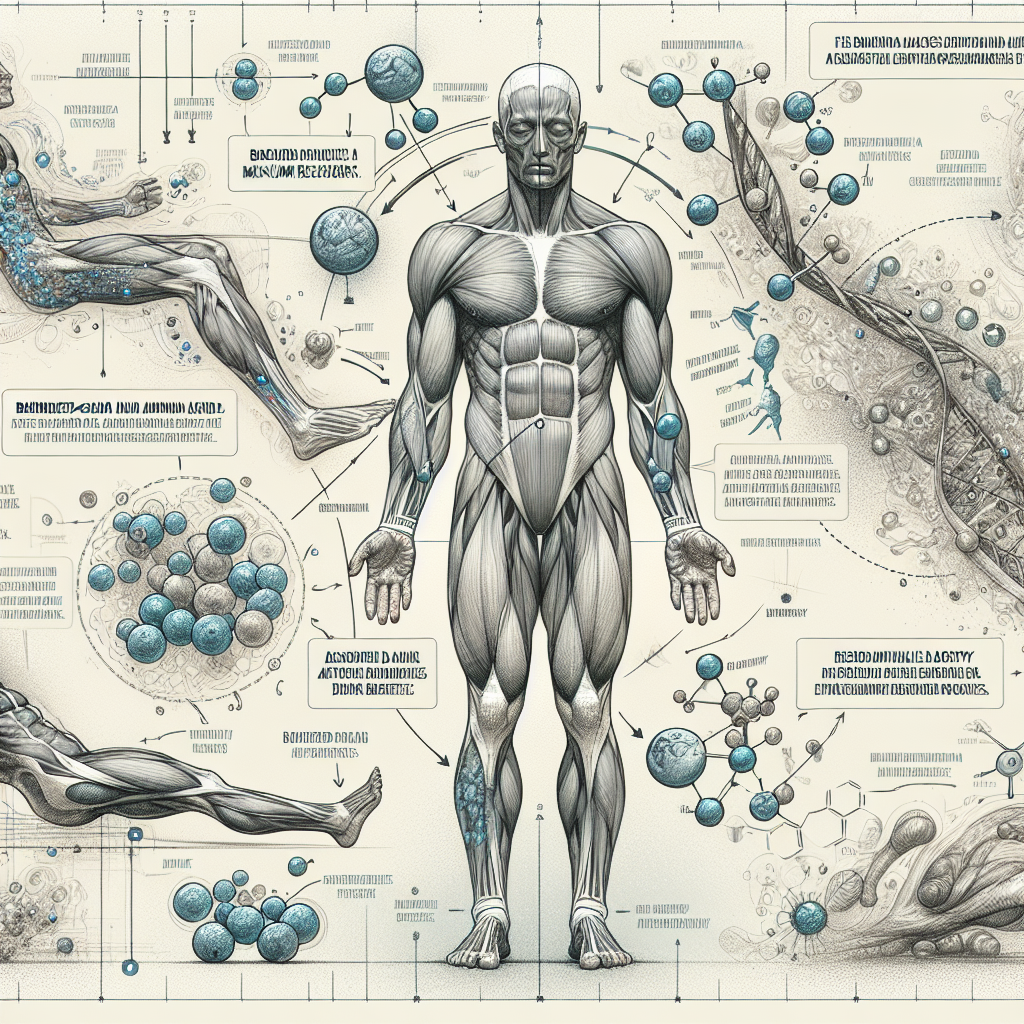
Electrolytes are essential minerals that conduct electricity when dissolved in water. They enable cells throughout the body to carry electrical impulses necessary for muscle function and other vital processes. The primary electrolytes include sodium, potassium, calcium, magnesium, chloride, bicarbonate, and phosphate.
Each of these minerals has specific roles but collectively they regulate muscle contractions, hydration levels, and nerve functions. When these minerals are out of balance, it can lead to muscle cramps, fatigue, and other health issues.
Scientific Backing
Studies indicate that disturbances in electrolyte balance can lead to muscle cramps. For instance, research published in the journal “Muscle & Nerve” observed that increased physical activity without proper electrolyte replenishment often results in muscle cramps (Schwellnus et al., 2008). This implies the importance of maintaining electrolyte balance, particularly for athletes and active individuals.
Key Electrolytes and Their Benefits
Sodium
Sodium helps maintain fluid balance and supports nerve function. It’s crucial for regulating blood pressure and ensuring your muscles and nerves function correctly during workouts.
Potassium
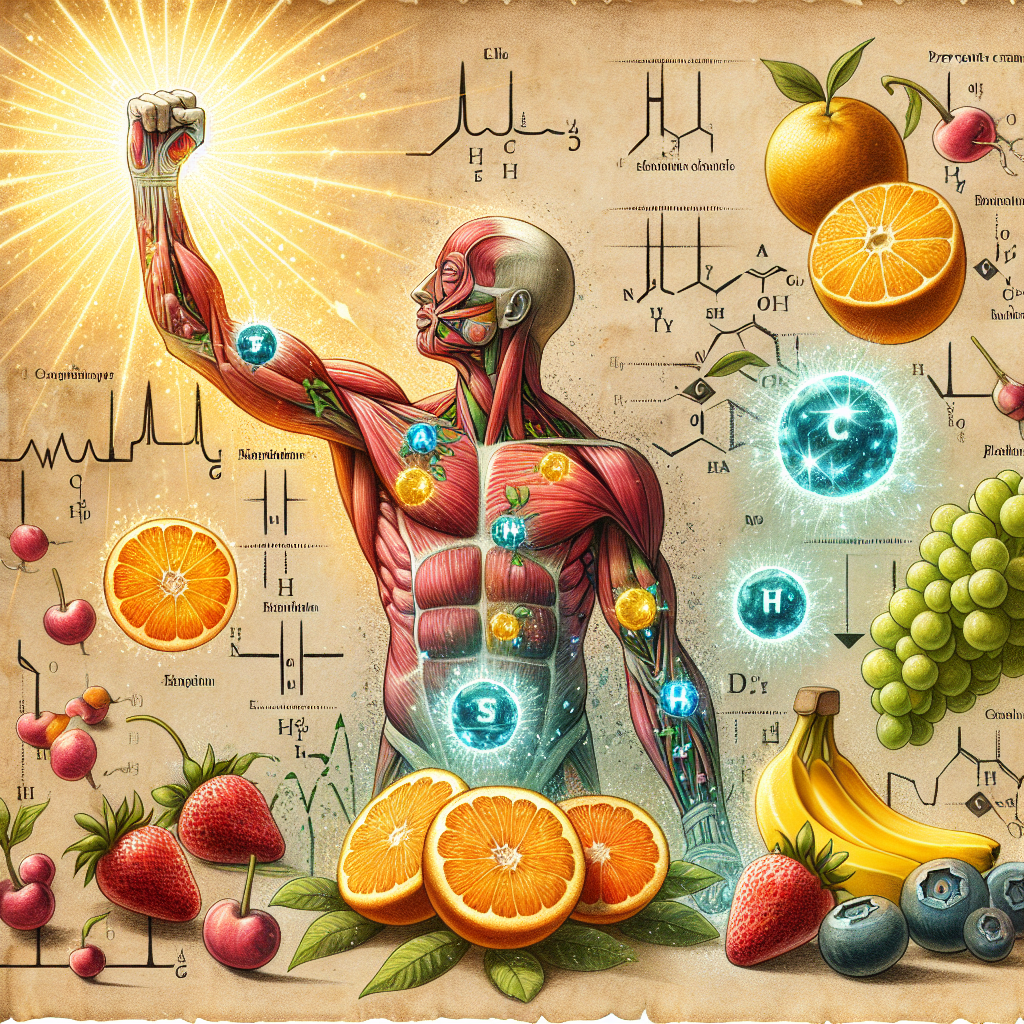
Potassium is key for muscle contractions. Low potassium levels can cause severe muscle cramps and weakness. Reach for potassium-rich foods such as bananas, oranges, and spinach.
Calcium
Calcium is not just for bone health; it also plays an essential role in muscle contractions. Without sufficient calcium, cramps and spasms can become more frequent.
Magnesium
Magnesium helps relax muscles and acts as a natural antispasmodic. It’s often recommended to increase magnesium intake through foods like nuts, seeds, and dark leafy greens to help prevent cramps.
Scientific Studies
A study in the “Journal of Sports Science & Medicine” revealed that magnesium supplementation significantly reduced muscle cramps in athletes (Garrison et al., 2012). These findings underscore the importance of a magnesium-rich diet or supplementation for cramp prevention.
Practical Tips: How to Use Electrolyte Supplements
Dosage Recommendations
The right dosage of electrolyte supplements can vary depending on the individual's activity level and needs:
- For moderate activity, aim for a balanced electrolyte drink with sodium (500-1000 mg), potassium (100-200 mg), calcium (100-200 mg), and magnesium (50-100 mg) per serving.
- For intense workouts or athletically demanding day, you might require a higher dosage, especially of sodium and potassium.
Timing
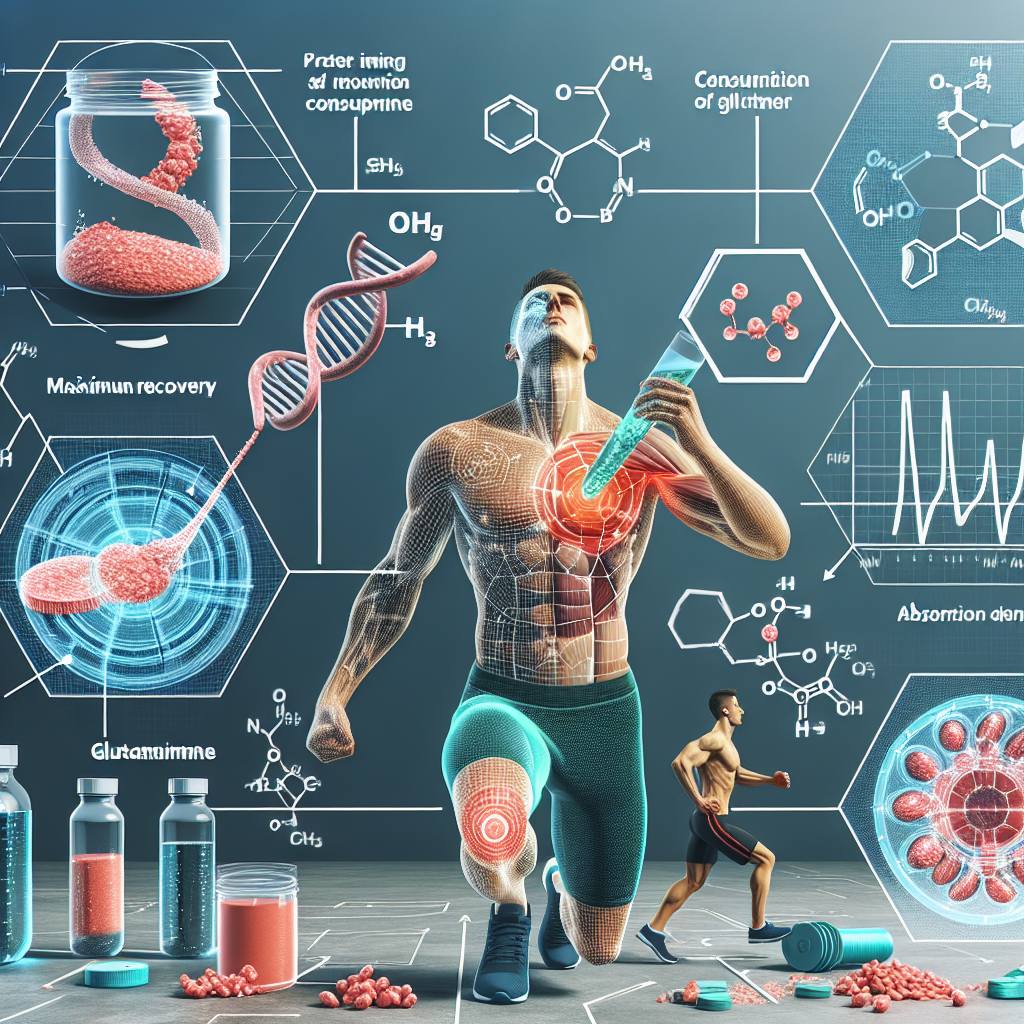
Pre-workout: Consuming electrolytes about 30-45 minutes before a workout can help prepare your muscles.
During workout: Sipping an electrolyte-rich drink during exercise can sustain your levels.
Post-workout: Replenishing lost electrolytes post-exercise aids in quicker recovery.
Pros and Cons: Weighing the Advantages and Side Effects
Main Benefits
- Prevents muscle cramps
- Maintains fluid balance
- Supports muscular contractions and relaxation
- Enhances overall athletic performance
Potential Side Effects
Imbalance in electrolyte supplementation might lead to:
- High blood pressure (excess sodium)
- Stomach upset or diarrhea (excess magnesium)
- Kidney strain (overuse of supplements without medical advice)
Always consult a healthcare provider for personalized advice.
Electrolytes vs. Other Supplements: The Comparison Game
How do electrolyte supplements compare to other fitness supplements?
Pros and Cons
- Electrolytes vs. Protein Shakes: While protein shakes focus on muscle repair and growth, electrolyte drinks focus on maintaining muscle function and preventing cramps. Ideally, both should be part of your regime.
- Electrolytes vs. Energy Drinks: Energy drinks often contain high sugars and caffeine but lack the balanced minerals found in electrolyte supplements. Stick to electrolyte-rich beverages for optimal muscle function.
Real-Life Accounts: Personal Experiences and Reviews
John, an amateur marathon runner, shared, "Ever since I started using electrolyte supplements, my muscle cramps have reduced significantly during long runs."
Maria, a yoga enthusiast, mentioned, "I love how electrolytes help me stay hydrated and prevent cramps during intense yoga sessions."
Nutrition experts also advocate the use of electrolytes, emphasizing their role in hydration and overall muscle health.
Answering Your Queries: Frequently Asked Questions
Do electrolytes only benefit athletes?
No! Everyone, from kids playing sports to adults taking a walk, can benefit from maintaining a balanced electrolyte level.
Can I get enough electrolytes from food alone?
Yes, a balanced diet including fruits, vegetables, nuts, and dairy can provide sufficient electrolytes. Supplements are handy for those with higher needs or dietary restrictions.
Conclusion: Keep Your Muscles Cramp-Free and Healthy
Proper electrolyte balance is crucial in preventing muscle cramps and maintaining overall muscle health. Whether you’re an athlete, a weekend warrior, or just someone seeking to stay fit, understanding and utilizing the benefits of electrolytes can keep those pesky cramps at bay and optimize your performance. For more tips on a healthy lifestyle and supplement advice, explore other articles on HealthyHerbology.com. Stay balanced, stay fit!